
Sustainable packaging for fresh produce
Moving beyond fragmented, single-issue debates and toward integrated solutions that deliver genuine environmental, economic, and social benefits.
Packaging plays a critical role in fresh produce sustainability
When the packaging or supply chain fails and food becomes food loss and waste, the entire environmental investment in that food is lost.
While most discussions of packaging sustainability focus narrowly on the disposal and end-of-life, they overlook the costly impacts that occur much earlier in the supply chain.
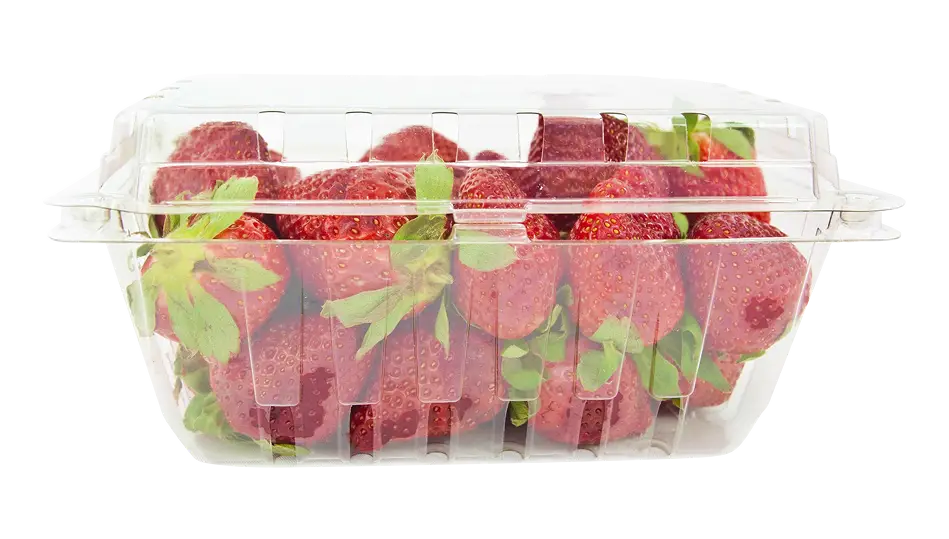
80-95%
Total environmental footprint of fresh produce comes from agricultural production and transportation, which require significant water, land, labor, and energy to grow, harvest, and process crops
(Environmental Impacts of
Food Production, 2022)
+90%
Over 90% of what packaging does, it does before the consumer sees it
33%
Global food production is lost or wasted in the supply chain
(USDA, 2022)
Sustainable packaging encompasses the entire lifecycle impacts from material source through disposal
The Three Pillars of Sustainable Produce Packaging Decision Making moves beyond single-issue thinking to create a holistic view of sustainability, from cradle to cradle.


Upstream
Sustainable packaging starts with material science and sourcing
Material science and sourcing decisions use LCAs and prioritize factors including availability, logistics, and environmental impact over packaging materials reduction and substitution.
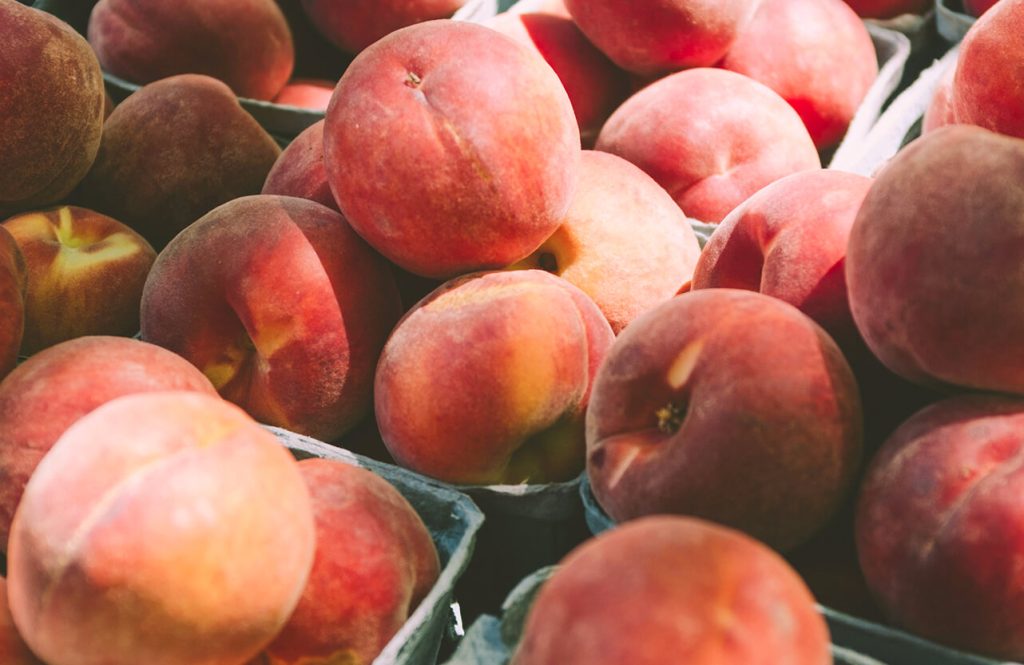
Functionality
Sustainable packaging protects and preserves
The most sustainable packaging effectively performs the function of preserving freshness, preventing physical damage, ensuring food safety, and avoiding food waste, thereby preventing the loss of the resource-intensive produce it contains.
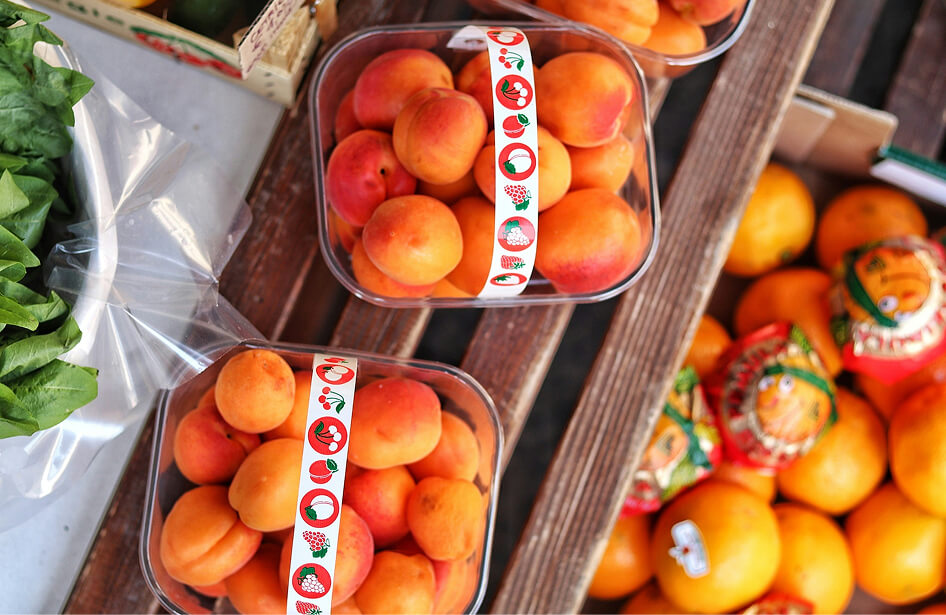
Downstream
Sustainable packaging is designed for a circular system
End-of-life reality includes designing for compatibility with available waste management infrastructure and navigating the trade-offs between performance and recyclability.

A roadmap for sustainable fresh produce packaging
The SPPA Roadmap advocates for effective change beyond single-issue debates and champions opportunities for the fresh produce industry in North America.
Full Roadmap
Read the entire sustainable produce packaging roadmap
Designing for sustainability is how we nurture people and the planet


Mitigate total environmental impact
Material choices, recyclability and compostability, greenhouse gas implications, and end-of-life outcomes all have environmental impact.
The tradeoff of leveraging widely used commercial packaging materials to improve
the functionality of packaging is in sustainability gains in GHG emissions or reductions in food loss.
Minimize food safety and quality degradation risk
Fresh produce is alive and perishable.
Effective packaging helps maintain quality, reduce contamination risks, and support traceability when problems arise—giving shoppers confidence in the food they consume.
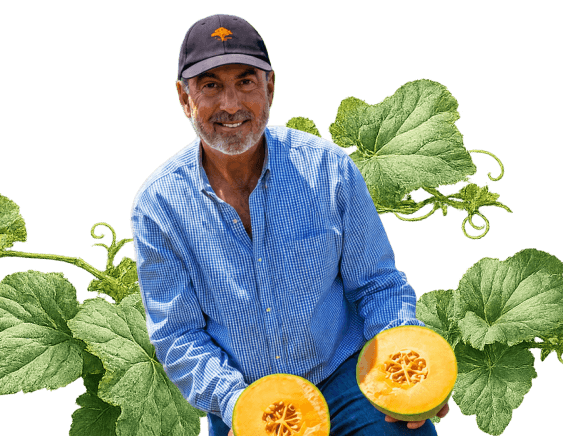
Maintains economic viability across the supply chain
Packaging decisions shape how the produce system operates every day.
Sustainable packaging must consider cost efficiency across materials, labor, logistics, and shrink.
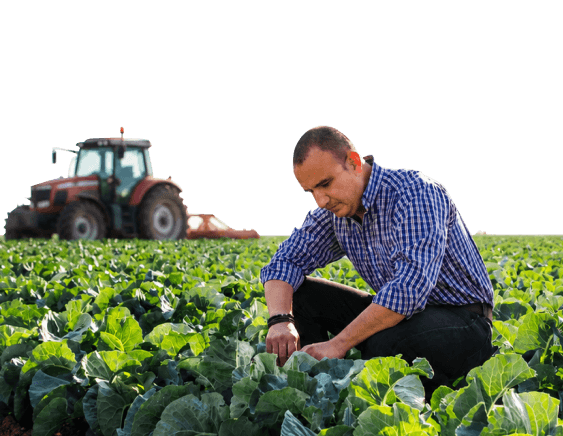
Explore solutions for sustainable fresh produce packaging
Insights and resources on sustainable design, food safety, food waste, risk management, and more
- Category, General
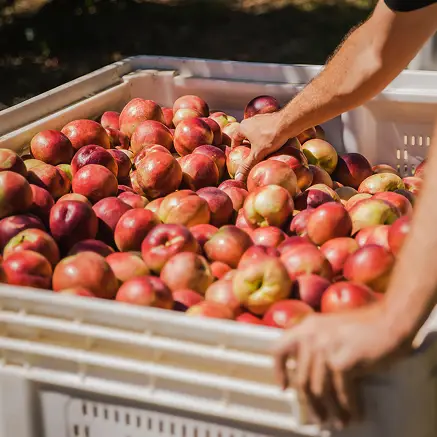
Food Loss & Waste
How packaging solutions can minimize food loss and waste across fresh produce supply chains in North America.
- General
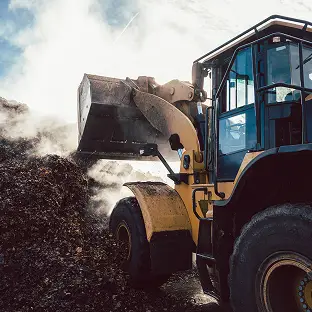
Disposal & End-of-Life
How packaging moves through disposal and end-of-life pathways in North American fresh produce supply chains.
- General
Food Safety
How packaging plays a critical role in mitigating food safety risks throughout the North American fresh produce supply chain.
Start with the roadmap
See how sustainable packaging protects our produce, people and the planet.