
Fresh produce is alive
Discover the role of packaging in maintaining the quality and shelf life of fresh produce, while reducing food safety, damage, and contamination risk, and mitigating environmental impact and food waste throughout the journey.
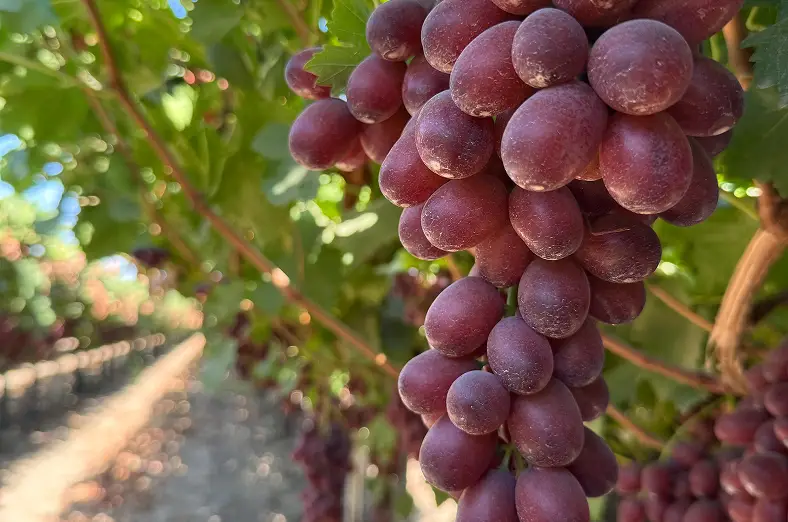
Tools for sustainable packaging decision-making
Resources and guides based on industry-leading packaging decision making frameworks


Packaging Assessment Tool
Sustainable packaging decision making is an increasingly complex process. This is due in large part to the growing number of available sustainable packaging options, combined with the array of packaging environmental and effectiveness considerations.
The purpose of the interactive packaging assessment tool is to help users navigate this complex process. By helping a user consider the various sustainable packaging options, and accounting for the array of packaging environmental and effectiveness considerations, the interactive assessment tools aims to provide a packaging “heat map” – a summary of how well current and potential packaging solutions meet the required consideration
Searchable Use Cases
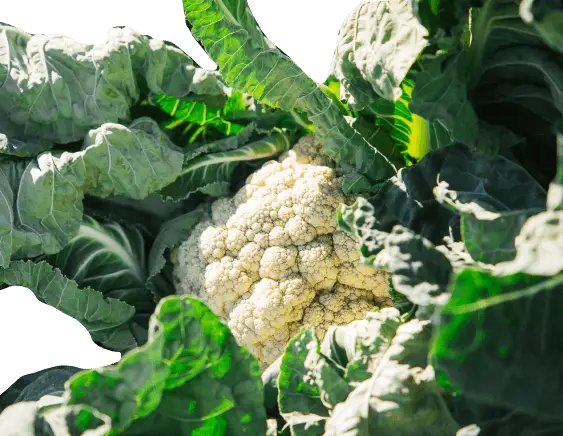
The Sustainable Packaging Use Case Search is an interactive, searchable database within the Sustainable Packaging Guide for Food and Fresh Produce. It enables users to explore real-world packaging applications across a wide range of food categories, with a strong focus on fresh produce.
Use cases can be filtered by commodity, packaging format, and material type—such as flexible plastics, rigid PET, fibre-based, and other non-plastic solutions—helping users understand what is currently feasible in the market. The tool is designed to support evidence-based packaging decisions by showcasing practical, industry-relevant examples aligned with sustainability performance considerations.
Packaging Materials Guide
The Sustainable Packaging Materials Guides provide material‑specific, commodity‑relevant guidance to support informed packaging decisions for food and fresh produce.
Separate guides cover flexible plastics, rigid PET, rigid non‑PET plastics, paper and fibre packaging, and secondary and tertiary formats. Each guide is structured around five clear options for action—elimination and reduction, reuse and refill, recycled content, recyclability, and substitution—and outlines practical actions available under each option.
The guides describe common packaging formats, functional requirements, sustainability trade‑offs, and system implications, and link to supporting studies, standards, and tools. Together, they help decision‑makers translate sustainability goals into actionable, packaging‑specific improvements.
FAQs
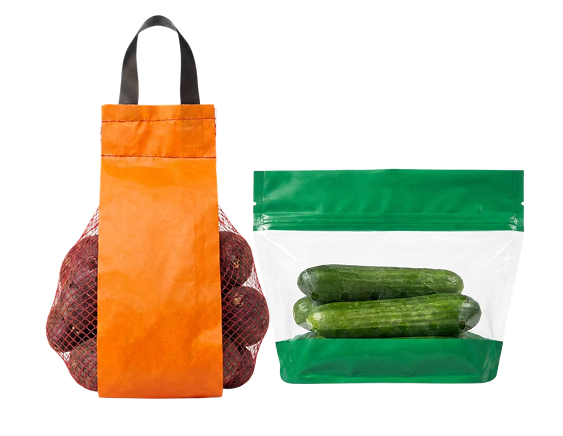
The Sustainable Packaging FAQ provides a curated set of plain‑language answers to common questions facing food and fresh produce packaging decision‑makers. It explains core concepts such as life‑cycle analysis, advanced recycling technologies, recyclability assessment, and circular economy frameworks in North America.
The FAQ also directs users to trusted reference documents on preferred and unfavourable plastics, packaging material selection, pricing drivers, recycling system performance, and Golden Design Rules aligned with global commitments. Overall, it functions as a practical navigation tool—linking users to credible data, tools, and reports needed to support evidence‑based, compliant, and market‑ready sustainable packaging decisions.




Packaging plays a critical role from Farm to Fork
When the packaging or supply chain fails and food becomes food loss and waste, the entire environmental investment in that food is lost.
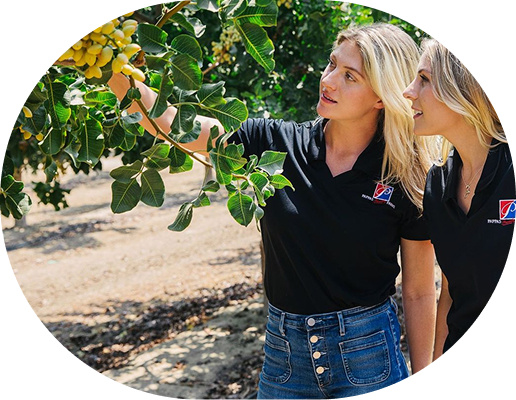
Harvest
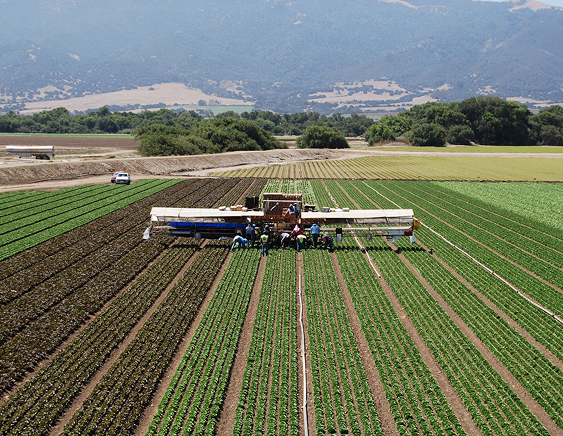
Agricultural production requires water, land, labor, and energy to grow, process, and harvest fresh produce crops, an important portion of the total environmental footprint.
Processing and cleaning
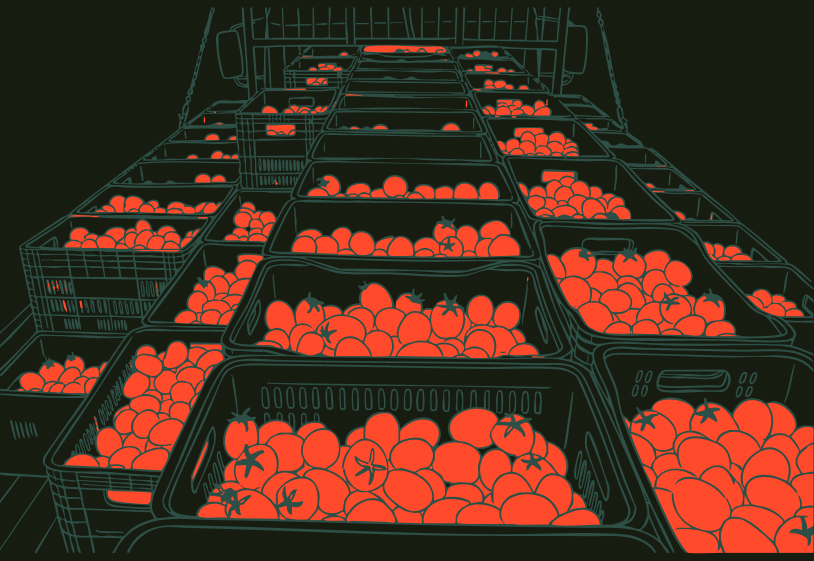
After harvest, fresh cut produce is sorted, washed, and prepared for distribution. Each handling point increases the risk of contamination, damage, and food waste. Fresh produce is harvested at the peak of quality and must be cooled down from field temperatures as quickly as possible. Packaging provides containment, acts as a barrier, and maintains the appropriate temperature and humidity, essential to delivering safe and high-quality fresh produce.
Packing
Secondary and tertiary packaging is designed to store, transport, and market while maintaining the quality and shelf life of fresh produce.
Primary Packaging
Secondary and tertiary packaging is designed to store, transport, and market while maintaining the quality and shelf life of fresh produce.
Secondary Packaging
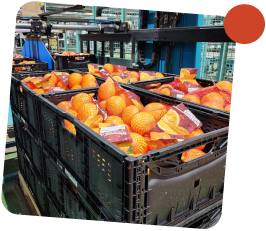
Aggregates or protects fresh produce or primary packaging, i.e., case or RPC.
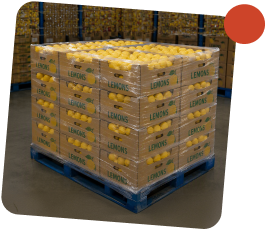
Tertiary Packaging
Packages or stabilizes secondary packaging, i.e., pallet wrap, film, or shroud.
Distribution
Packaging maintains the integrity of fresh produce during transit, protecting against handling damage and preserving freshness throughout the journey while facilitating temperature control and reduced spoilage and contamination.
Retail
Retailers operate at the intersection of consumer expectations and operational realities, and packaging must balance visibility with performance.

Distribution Risks
Packaging failures can cause major losses, as fresh produce is vulnerable to transit, perishability, and unpredictable storage conditions. Packaging must withstand the toughest distribution environments.
Consumer
Produce reaches the consumer after a long and resource-intensive journey, where packaging continues to protect food safety, freshness, and usability in the home.
Packaging preserves and protects fresh produce all the way to the consumers kitchen table. Even after a long journey, packaging helps to keep food safe and fresh in the consumers hands.